Custom Software Development in the Age of AI Agents: What Businesses Need in 2026
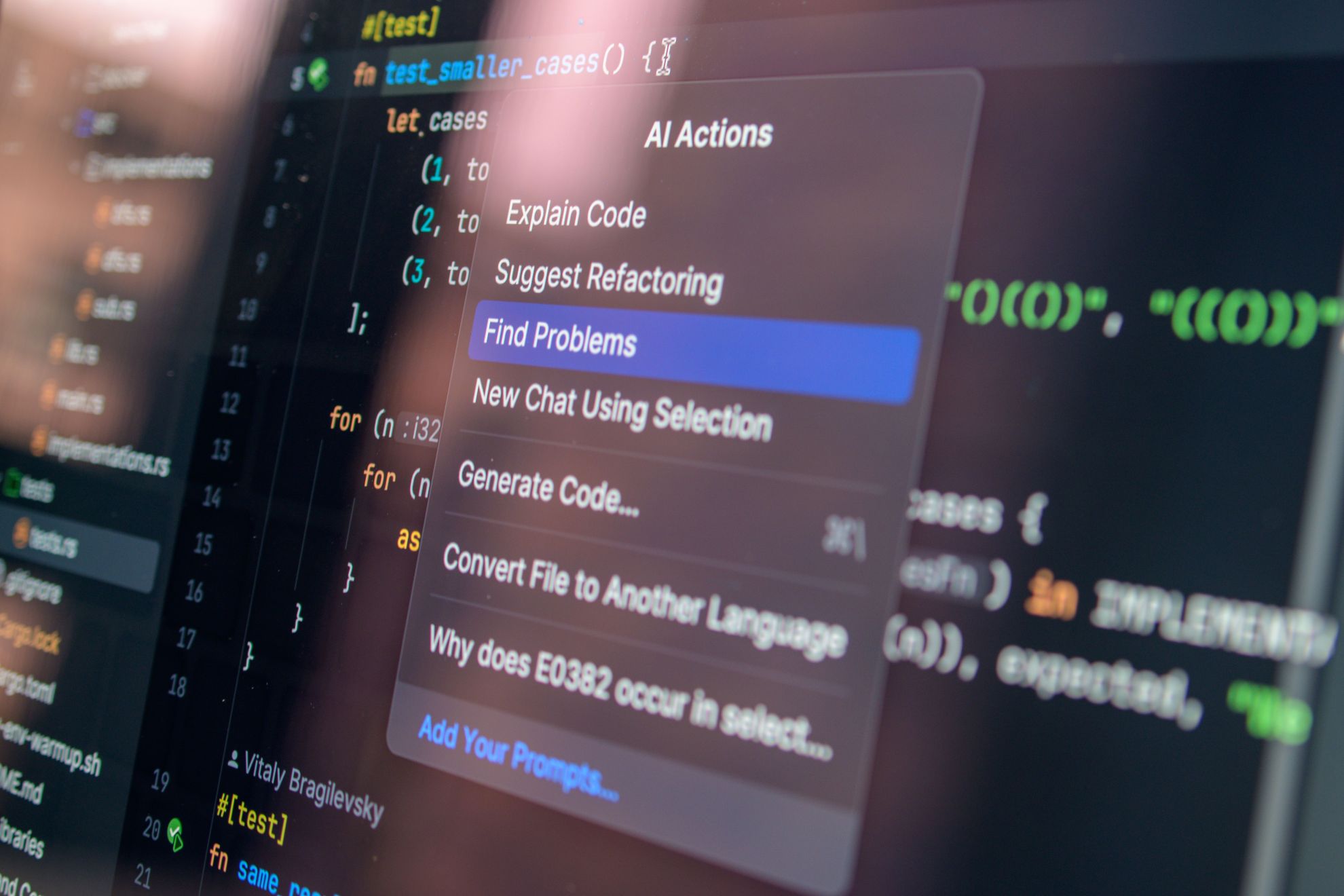
Custom software development is being utterly redefined by AI agents. They can plan, build, and even test parts of a project on their own basically a full stack developer. What once took a senior developer three days to scope out can now be broken into tasks an AI agent picks up overnight, or instantly. Sounds like a straight-forward win: faster builds, lower costs, quicker time to market,doesn’t it?. In practice, it’s more complicated than that, and the businesses getting the best results in 2026 are the ones asking sharper questions before they sign a contract.
AndMine is a Melbourne-based digital agency known for combining web and software development with SEO and marketing strategy for growing Australian businesses. This piece looks at what’s actually changed in custom software development over the past year, and what to check for when you’re choosing a partner to build with you.
What “Custom Software Development” Actually Means Now?
The phrase used to imply a team of developers writing every line by hand, usually against a fixed scope document. That’s no longer the issue. I believe Today, custom software development is a hybrid process, developers and AI working together. AI agents generate code and write first-pass unit tests and handle repetitive refactoring and human developers focus on architecture, integration points, and the parts of the system that carry real business risk.
Work that used to be billed by the hour for junior developers writing CRUD endpoints, basic form validation, standard API wrappers now takes a fraction of the time. Providers who’ve adapted their pricing and process accordingly can pass some of that efficiency on. Providers still billing at 2023 rates for 2026 workflows usually aren’t being transparent about where the time actually goes.
Custom Software Development Company: What to Ask About Their AI Workflow
In all honestly, not every provider labelled “AI-driven” use agents in a way that benefits the client. Before committing to a custom software development company, it’s worth asking a few direct questions:
● Which parts of the build do AI agents actually handle, and which are done by a person?
● Who reviews AI-generated code before it goes into a production branch?
● How is security tested does the process include a human security review, or only automated scanning?
● What happens when the AI agent’s output doesn’t meet the brief? Is there a defined escalation path?
A provider that can answer these clearly, with specific examples from recent projects, is a stronger signal than a website that simply lists “AI-powered development” as a feature.
The honest answer would be that AI does maybe 30–40% of the codes on a project, focusing in the more mechanical of layers. The architecture, data modelling, and anything touching payments, authentication, or compliance should only be done by a human/developer.
Where does the Real Risk Sit?
Talking about the risks, the consequence is not a broken feature, the app usually runs fine, in many ways implying that AI agents are the new custom software developers. it is more of a gap or a maintenance headache that often shows up later. Codes written by the agents can be correct but still have poor architecture, duplicated logic,, inconsistent error handling, or dependencies pulled in without a real reason.
None of this breaks the demo. It shows up later, when the system needs to scale, or when a new developer has to work out why two modules solve the same problem two different ways.
A practical solution is to build a checkpoint into the contract itself, not just assume it would happens. Ask your development partner to document which files or modules separating ones that were AI-assisted, and have a senior developer look in to those and review, specifically before deployment. This is a small addition to the process and a meaningful reduction in long-term risk.
What This Means for Project Timelines and Budgets
I have experienced that timelines are the most visible change. We can see a decrease of 35% in project timeline in custom software development, thought this is also dependent on expertise of developer in a company; A project that once needed twelve weeks might now run in eight, particularly for standard web applications with common patterns, user accounts, dashboards, basic e-commerce logic. Complex, industry-specific systems anything involving legacy integrations, regulated data, or genuinely novel logic see a smaller time saving, because that’s exactly the work AI agents handle least well.
Budgets are following a similar pattern. Fixed-price quotes for straightforward builds have come down noticeably over the past year. Hourly rates for senior architecture and security work have stayed roughly flat, or in some cases increased, because that expertise is now the bottleneck rather than the code-writing itself.
Signs You’ve Found the Right Development Partner
A few practical signs tend to separate providers doing this well from providers riding the AI trend without much substance behind it.
First, they can walk you through a recent project and point to specific decisions a human made a database schema choice, an integration workaround, a security trade-off rather than describing the whole build in vague, AI-first terms. Second, their contracts and scoping documents mention code review and testing explicitly, not just delivery dates. Third, when you ask what happens if the AI-generated output is wrong, they have an actual answer, because it’s happened to them before.
By contrast, a provider that can’t name a single decision a human made on a recent project, or treats “we use AI” as the whole pitch, is worth a second look before you commit. This isn’t about avoiding AI in the build process at this point, avoiding it entirely usually means slower delivery and a higher price for no real quality gain. It’s about making sure a person is still accountable for the parts of the system that matter most if something goes wrong.
Frequently Asked Questions
Is an AI developed application less secure?
Not always. AI-generated code can introduce vulnerabilities but that usually happens if it is not reviewed properly, but the same is true of any code written. Revision is a key factor in this. The deciding factor would be How good was the developer that reviewed the code.
Is custom software development cheaper than it was a few years ago?
For standard builds, often yes, mainly because routine coding tasks take less developer time. For complex or highly regulated projects, the savings are smaller, since the work that remains is the work AI handles least well.
How do I know if a company is genuinely using AI, or just pretending?
Well one easy way like we mentioned in the article above would be to ask for specifics: which tasks are AI-assisted, who reviews the output, and what their process looks like for a recent project. A vague answer or a generic list of “AI-powered” claims is a warning sign.
Should a small business still hire a custom software development company instead of using no-code tools?
It depends on complexity. No-code and AI page builders cover a lot of simple use cases well. Once you need custom logic, integrations with other systems, or something a template genuinely can’t produce, a development company earns its cost.
The Bottom Line
AI agents have changed what custom software development costs and how long it takes, but they haven’t removed the need for experienced human oversight if anything, that oversight has become the part worth paying for. The businesses getting good outcomes in 2026 are asking their development partners specific, direct questions about where AI sits in the process, rather than taking “AI-powered” at face value.
If you’re scoping a custom software project and want a straight answer about what AI can and can’t handle for your build, get in touch with AndMine for a no-obligation conversation about your project.
There is more to it than having your Custom Software Development in the Age of AI Agents: What Businesses Need in 2026 sorted. Nothing sits in a silo. The greatest opportunities are multi-touch and omni-channel. AndMine’s digital agency services are a one stop shop. If it’s #Digital, we do it. Go on, test us.






































































































































































































Testimonials
Just a quick note to say a big thanks and well done for doing what you said you would - building us a world class Health Food web site. It looks great! We will find a way to properly thank your team for their hard work and terrific results. Russell, CEO, Melrose Health
More Testimonials